

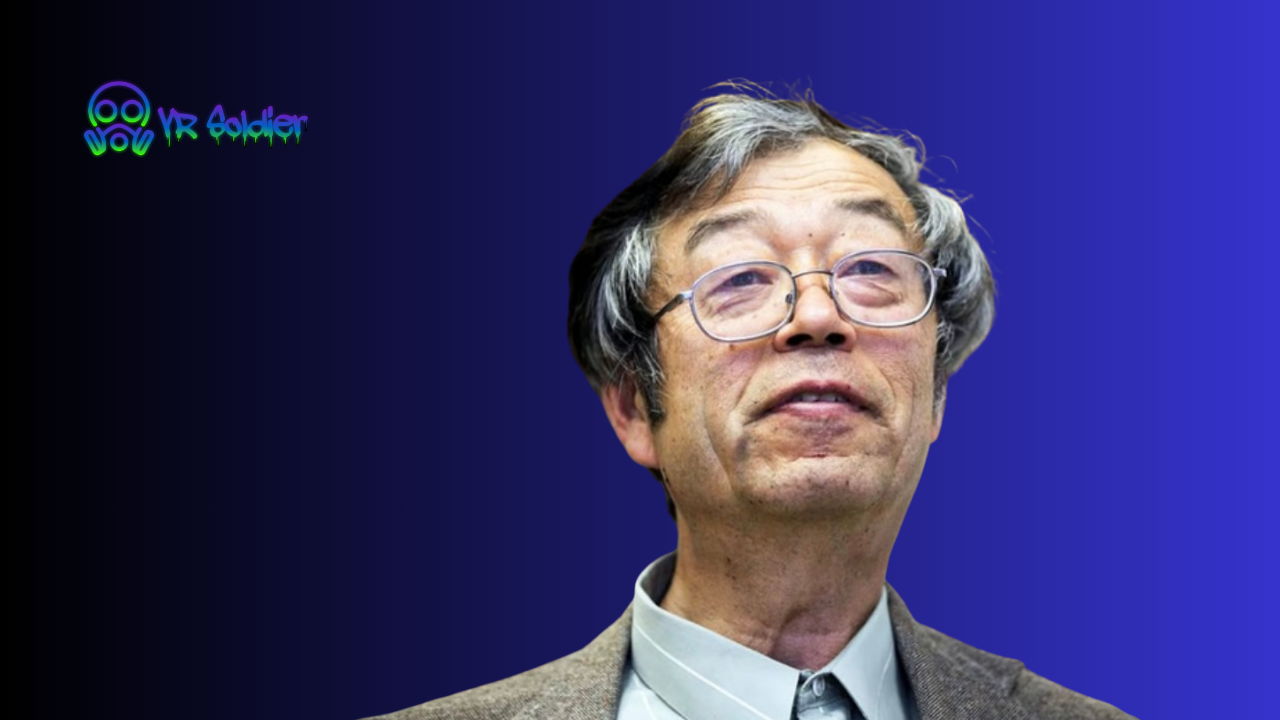
Satoshi Nakamoto artwork reaches the New York Stock Exchange
A new statue honoring Bitcoin’s pseudonymous creator, Satoshi Nakamoto, has been installed at the New York Stock Exchange, marking a symbolic intersection between cryptocurrency history and one of the world’s most influential financial institutions. The artwork, created by Italian artist Valentina Picozzi, was placed at the NYSE by Bitcoin-focused firm Twenty One Capital, which recently began public trading.
The sculpture is part of Picozzi’s global “disappearing Satoshi” series, an artistic concept that depicts Nakamoto in a seated pose with a laptop, gradually blending into the surroundings. The design reflects the mystery surrounding Nakamoto’s identity and the idea that the creator intentionally stepped away from public view after launching the Bitcoin protocol.
A global art series tied to Bitcoin’s origins
This installation is the sixth in a collection planned to include 21 pieces worldwide, symbolizing Bitcoin’s fixed supply of 21 million coins. Previous statues have appeared in Switzerland, El Salvador, Japan, Vietnam, and Miami. Each location was chosen for its connection to Bitcoin adoption, cultural significance, or community engagement.
The NYSE placement aligns with Bitcoin’s broader historical timeline. Nakamoto released the Bitcoin white paper in 2008 and mined the first block in January 2009. Early milestones including the first recorded Bitcoin purchase in 2010, when 10,000 BTC were exchanged for pizza have since become foundational moments in digital asset culture.
Why the NYSE installation matters
The presence of a Satoshi statue at the NYSE highlights how cryptocurrency has evolved from a niche online experiment to a topic of global financial relevance. Over the past decade, traditional financial institutions that once kept crypto at arm’s length have increasingly integrated digital assets into investment products, custodial services, and market infrastructure.
Public companies, private firms, governments, and exchange-traded funds collectively hold more than 3.7 million BTC in their reserves. This accumulation, valued at hundreds of billions of dollars, underscores how Bitcoin has entered long-term financial planning for both corporations and national entities.
A reflection of shifting attitudes in global finance
The NYSE installation also symbolizes how cultural narratives around Bitcoin have changed. Early skepticism from major institutions has gradually given way to exploration, and in many cases, active participation. Several high-profile companies now allocate a portion of their treasuries to Bitcoin, and global asset managers operate Bitcoin ETFs that attract billions in inflows.
The statue is therefore more than an artistic tribute. It serves as a marker of Bitcoin’s integration into mainstream economic discussions and its growing foothold in institutional decision-making. As the “disappearing Satoshi” series expands, each installation contributes to documenting the cultural and technological influence of Bitcoin across different regions.
Looking ahead
With more statues planned across the world, the series will continue to connect physical landmarks with digital history. Each placement invites reflection on how cryptographic technology has reshaped conversations about money, privacy, global networks, and decentralized systems. The NYSE installation stands as one of the most symbolic additions yet, positioning Bitcoin’s anonymous creator within the heart of traditional finance.