
Memecoins & Solana have become one of the most visible trends in crypto during 2025. Assets once seen as internet jokes have moved closer to the mainstream, with products linked to Dogecoin and Bonk gaining wider exposure. This shift has forced investors to take speculative tokens more seriously.
Solana played a major role in this trend. Its fast and low-cost network made it the preferred platform for launching and trading memecoins. High-profile launches such as Official Trump and Melania Meme strengthened SOL’s image as the network built for rapid speculation.
That reputation is now being tested.
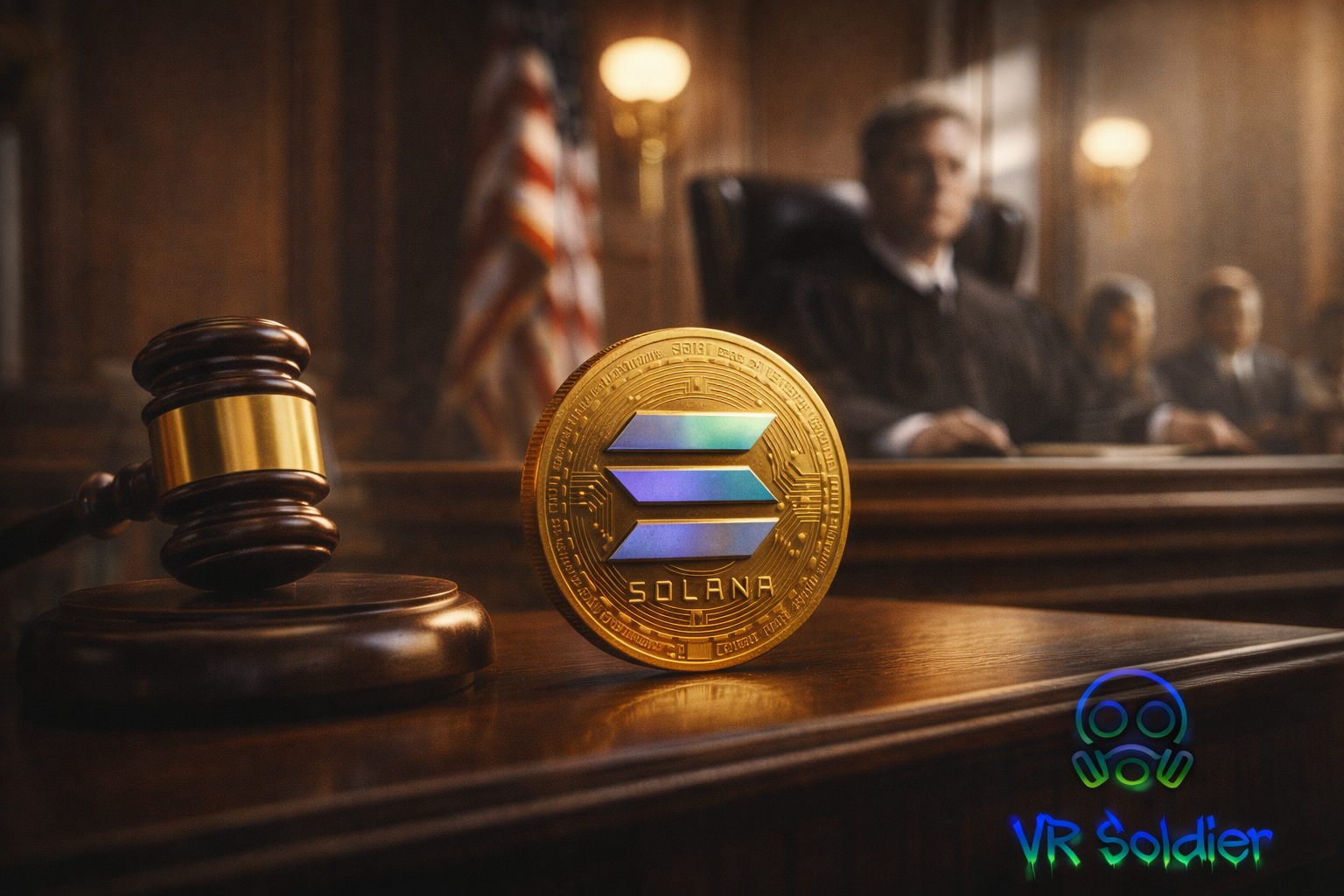
A federal court has allowed a class-action lawsuit to move forward against Pump.fun, Solana Labs, and other projects connected to the SOL’s ecosystem. The case accuses the parties involved of market manipulation tied to memecoin launches.
What makes this case different is its focus. The lawsuit does not only target individual tokens or timing advantages. Instead, it challenges whether SOL’s network design itself gave insiders an unfair edge.
Solana has a problem.
Solana Labs and ecosystem partners face allegations that they enabled or facilitated a meme pump system that gave insiders unfair trading advantages.
Solana Labs is accused of deliberately designing and maintaining a system that enabled front-running.… pic.twitter.com/assOeGn40d
— Cardano YOD₳ (@JaromirTesar) December 17, 2025
Why Solana’s Technology Is Part of the Case
At the center of the lawsuit is SOL’s high-speed and high-throughput architecture. Plaintiffs argue that these technical features allowed certain participants to act faster than the broader market, especially during memecoin launches on Pump.fun.
Pump.fun operates as a memecoin launchpad built on Solana. It enabled millions of tokens to be created and traded almost instantly. According to analysts, this speed may have allowed supply to concentrate quickly in the hands of a small group.
Data cited in the case suggests that the top ten holders control roughly 70 percent of PUMP’s circulating supply. This level of concentration limits retail participation and keeps price movement constrained.
Price Behavior Adds to Legal Concerns
PUMP’s market performance has added weight to the lawsuit’s claims. The token currently trades about 3.15 percent below its initial offering price of $0.02. Plaintiffs argue that restricted supply and insider positioning kept prices from reflecting open market demand.
The lawsuit claims that this pattern left retail buyers at a disadvantage while early participants benefited from tighter control over supply.
Broader Implications for the Solana Ecosystem
While Pump.fun sits at the center of the case, it may not be the main issue. Instead, it is being treated as an example of a larger concern related to how Solana’s network operates.
If the court determines that its technical structure enabled unfair market behavior, the outcome could have wider consequences. Not only memecoin platforms but also other projects built on SOL’s could face closer regulatory and legal scrutiny.
As the case moves forward, attention will likely shift from individual tokens to whether high-speed blockchain design creates risks that regulators and courts are no longer willing to ignore.